


In today’s fast-paced world, effective communication is more crucial than ever, and at the heart of this is a skill often overlooked: listening. Developing your listening skills can transform your personal and professional relationships, fostering deeper connections and enhancing collaboration. Research indicates that active listening not only diminishes misunderstandings but also builds trust and empathy, essential components in any interaction.
Have you ever felt unheard in a conversation, or noticed how misunderstandings can escalate conflict? Improving your listening abilities empowers you to create a safe space for others to express themselves while ensuring your responses are considerate and informed. As you embark on this journey to mastering listening, you’ll discover practical techniques that can be applied in everyday situations. This roadmap to stronger connections will equip you with the tools needed to engage more meaningfully with those around you, paving the way for richer conversations and fulfilling relationships. Join us as we explore actionable strategies to become a more attentive listener and watch your connections flourish.
Understanding the Importance of Listening Skills
Listening is a vital communication skill that facilitates understanding, strengthens relationships, and fosters effective collaboration. When we actively engage in listening, we do more than just hear words; we create an environment where thoughts and feelings can be shared openly. This openness not only nurtures trust but also allows for deeper connections and mutual respect among individuals. For example, in a workplace setting, leaders who practice active listening can better gauge employee morale and foster a more inclusive atmosphere, leading to enhanced productivity and innovation.
To appreciate the significance of listening skills, consider how they influence different aspects of our lives. In personal relationships, listening helps partners feel heard and validated, which is essential for emotional intimacy. Parents who listen attentively to their children can nurture their self-esteem and psychological well-being. In educational settings, students who develop strong listening skills tend to perform better academically, as they can absorb and process information more effectively. Therefore, honing these skills is not just beneficial but essential for personal and professional growth.
Practice makes perfect, and developing listening skills requires intentional effort. Setting aside distractions during conversations, asking open-ended questions, and providing feedback can transform everyday interactions into meaningful exchanges. Engaging in role-play scenarios where one practice listening without interrupting can also be a fun and effective way to build this competency. Remember, becoming a skilled listener takes time and dedication, but the rewards-a richer, more connected life-are invaluable.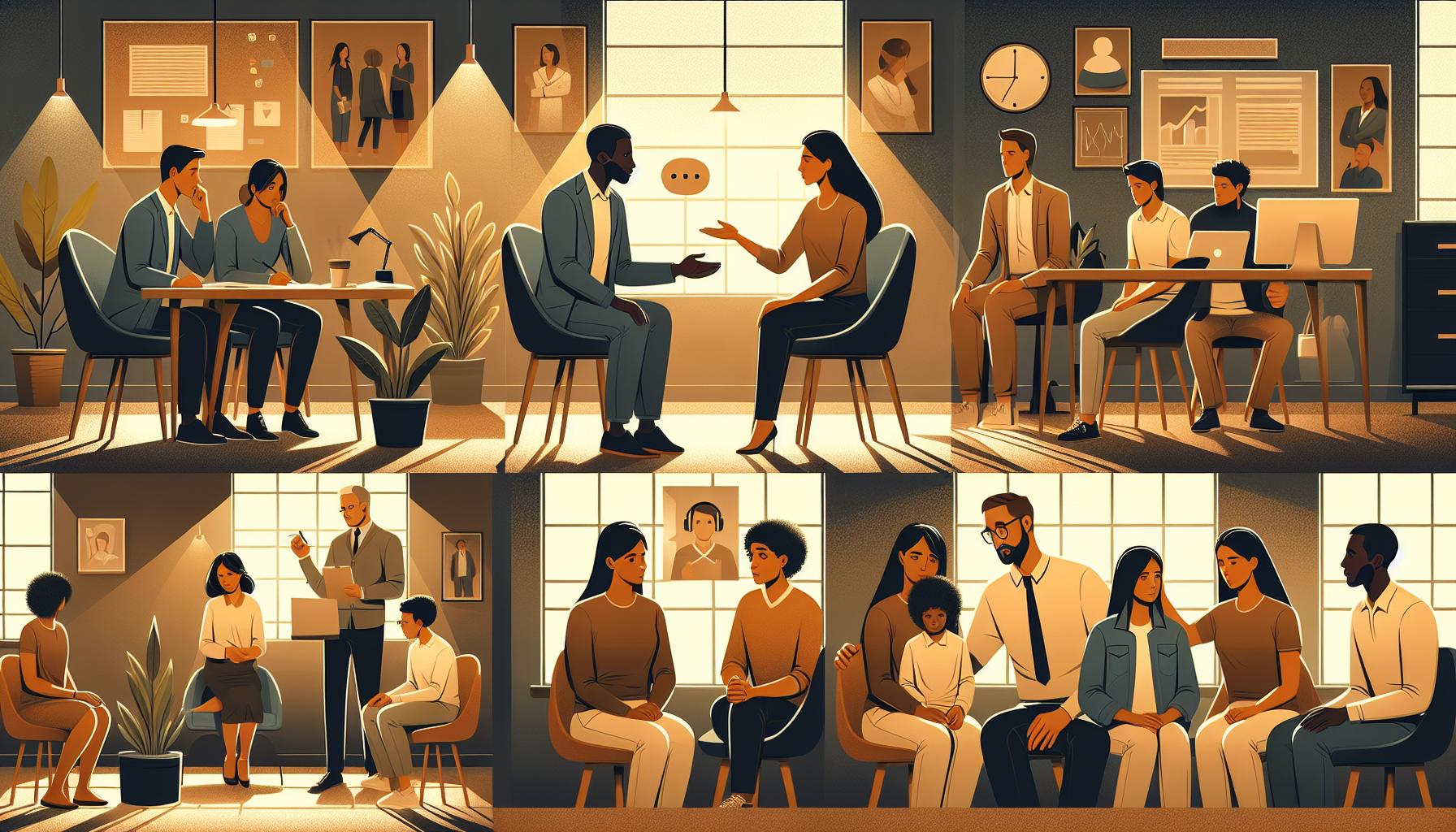
Common Barriers to Effective Listening
Listening is a complex process that can be hindered by various barriers, which can impede effective communication and understanding. Recognizing these barriers is the first step toward overcoming them and enhancing your listening skills. One common obstacle is distractions-both internal and external. Noise from a busy environment, notifications from phones, or even personal thoughts and worries can pull your attention away from the speaker. To combat this, create a distraction-free zone by turning off electronic devices and focusing your mind solely on the conversation at hand.
Another significant barrier is prejudice or biases about the speaker or topic. When a listener approaches a conversation with preconceived notions, it can lead to selective hearing where they only listen for information that confirms their beliefs. This not only disrupts effective communication but also prevents a genuine understanding of the other person’s perspective. To counteract this, practice mindfulness by consciously setting aside judgments and approaching conversations with an open mind. Ask yourself questions like, “What can I learn from this person?” to foster a more receptive mindset.
Furthermore, emotional barriers can profoundly impact listening ability. If you are feeling upset or defensive, it can be challenging to fully engage with what someone else is saying. In such situations, taking a moment to acknowledge your feelings before engaging in conversation can help clear your mind. Techniques such as deep breathing or self-reflection can ground you and make you more present in the moment, allowing for clearer communication.
Lastly, many people struggle with focusing on responses rather than listening to the speaker. This often leads to a breakdown in genuine dialogue. Instead of preparing your reply while the other person is speaking, practice active listening by fully absorbing their message first. Try summarizing what they said before responding to ensure clarity in understanding. By addressing these barriers, you open the door to more meaningful and effective conversations.
Practical Techniques for Active Listening
Engaging in active listening can transform your communication abilities and strengthen your connections with others. Here are some practical techniques to enhance your active listening skills:
- Maintain Eye Contact: Eye contact demonstrates your attentiveness and encourages the speaker to share their thoughts more freely. It creates a connection and shows that you value what they are saying.
- Practice Reflective Listening: After the speaker has shared their thoughts, summarize what you’ve heard by paraphrasing their message. For example, you might say, “What I’m hearing is that you’re feeling overwhelmed with your workload.” This not only clarifies your understanding but also validates the speaker’s feelings.
- Avoid Interrupting: Give the speaker the space to express their thoughts without interruption. If you find yourself formulating a response while they are speaking, jot down your ideas instead. This allows you to fully focus on the speaker and improves the quality of the conversation.
- Ask Open-Ended Questions: Encourage further dialogue by asking questions that require more than a yes or no response. Questions like, “Can you tell me more about that?” or “How did that make you feel?” invite deeper exploration and show genuine interest in the speaker’s perspective.
Sometimes, incorporating a physical dimension into your listening can enhance the experience. Body language can be a powerful tool; leaning slightly forward and using encouraging nods can signal engagement. Additionally, using affirmative phrases like “I see” or “That’s interesting” can reinforce that you are following along and understanding the conversation.
To practice these techniques effectively, consider setting a goal to implement one or two during your next conversation, whether it’s with a friend, colleague, or family member. Gradually incorporating these skills into your daily interactions will not only improve your listening abilities but also foster stronger, more meaningful connections. By actively engaging in the moment, being curious, and showing empathy, you are paving the way for more authentic and productive conversations.
The Role of Empathy in Listening
When engaged in a conversation, empathy serves as a bridge that connects the speaker and listener on a deeper emotional level. It’s not just about hearing the words but understanding the feelings behind them. Empathy enhances listening by allowing you to experience the speaker’s emotions, making them feel valued and understood. This emotional resonance strengthens the rapport, creating a safe space for open dialogue and fostering trust.
To integrate empathy into your listening practices, consider these actionable strategies:
- Put Yourself in Their Shoes: Before responding, take a moment to reflect on how the speaker might be feeling. This cognitive shift helps to align your emotional state with theirs, leading to a more supportive interaction.
- Validate Their Feelings: Acknowledge the speaker’s emotions by expressing understanding. Phrases like “I can see why you would feel that way” can reassure them that their feelings are recognized and respected.
- Practice Non-Judgmental Listening: Approach the conversation without preconceived notions or judgments. This openness allows the other person to express themselves fully without the fear of being criticized.
- Share Empathetic Responses: Use affirming statements that demonstrate your empathy. Saying “That sounds really challenging” not only shows that you’re listening but also reinforces your emotional connection.
In real-world scenarios, empathy can significantly impact conflict resolution. For instance, during a disagreement at work, instead of focusing solely on finding a solution, take a moment to empathize with your colleague’s viewpoint. This approach can lead to a more constructive conversation where concerns are addressed, and both parties feel heard.
By cultivating empathy in your listening techniques, you not only enrich your interactions but also promote a culture of understanding and compassion in your relationships. The more you practice, the more intuitive it will become, allowing you to navigate complex conversations with ease and confidence.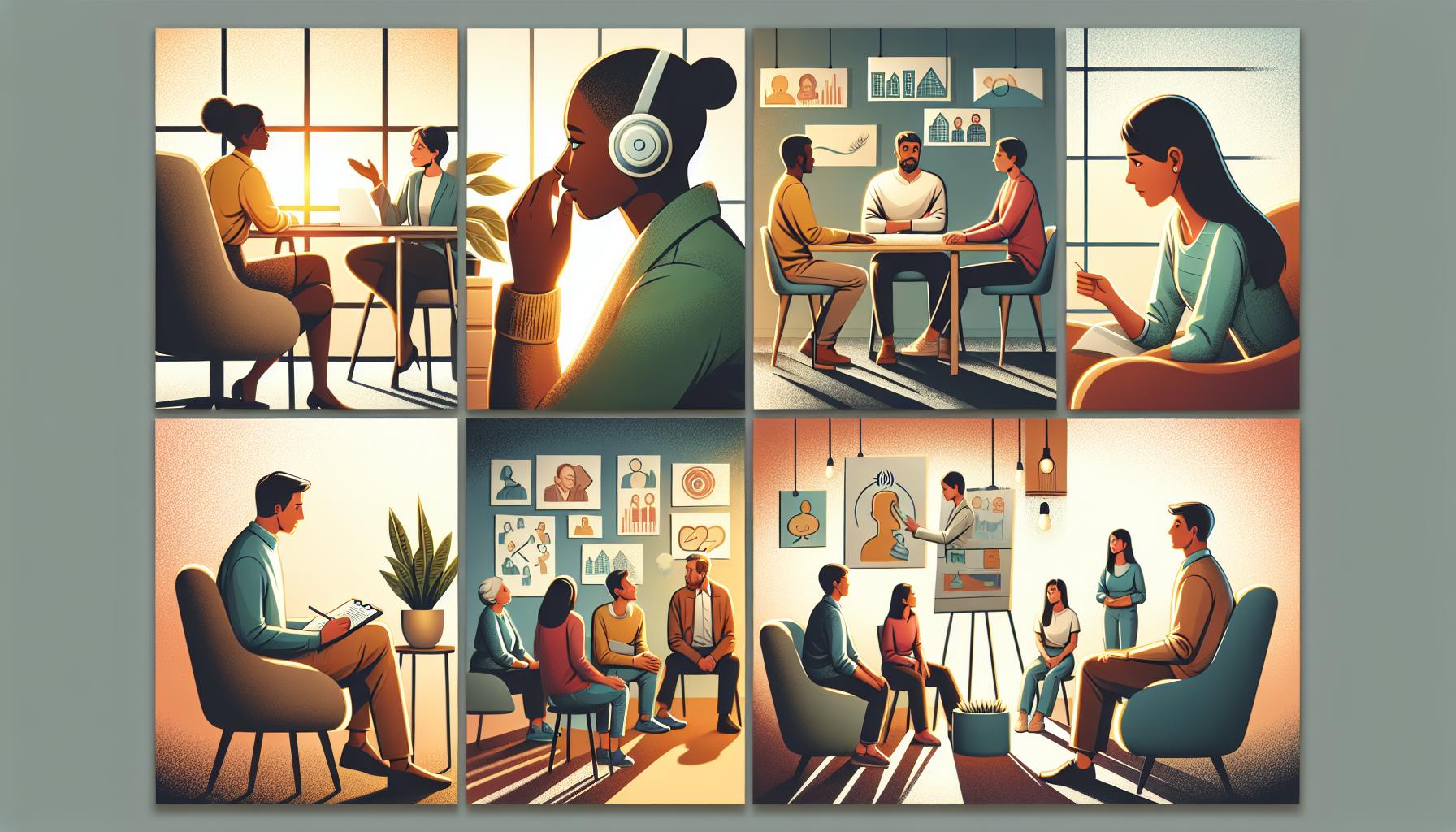
Listening in Various Communication Styles
Different communication styles shape our interactions, influencing how we listen and respond. Understanding these styles not only enhances our listening skills but also builds stronger connections with others. For example, some individuals have a direct communication style, often characterized by a straightforward, no-nonsense approach. In such conversations, active listening might involve mirroring their brevity and asking clarifying questions to ensure you grasp the key points without overwhelming them with details.
Conversely, others may adopt a more expressive style, using a rich vocabulary and emotional cues to convey their messages. In these instances, listening effectively means being attuned to non-verbal signals and showing empathy through reflective listening. This may involve summarizing their feelings or repeating back key sentiments to demonstrate understanding. Consider a scenario where a friend describes a challenging day at work using vivid language. Engaging fully with their emotions and responding with supportive phrases can cultivate a deeper emotional connection.
Adapting your listening approach to fit the communication style of the speaker requires awareness and practice. Here are some techniques to consider:
- Identify the Style: Pay attention to whether the speaker is direct, expressive, analytical, or amiable. This awareness allows you to tailor your listening strategy appropriately.
- Adopt Mirroring Techniques: Use verbal or non-verbal cues that align with the speaker’s style. For instance, nodding or maintaining eye contact can enhance engagement during a conversation with an expressive communicator.
- Utilize Feedback: Offer verbal affirmations, like “I see” or “That makes sense,” to acknowledge the speaker’s style, which helps them feel valued.
- Be Flexible: Adjust your listening and response strategies if the speaker shifts their communication style mid-conversation. This fluidity in approach demonstrates adaptability and respect.
By incorporating these strategies, you can foster more meaningful, productive exchanges across different interpersonal contexts, whether in personal relationships or professional settings.
Using Body Language to Enhance Listening
Engaging in effective listening goes beyond simply hearing words; it encompasses the art of connecting with the speaker on a non-verbal level, primarily through body language. Research indicates that up to 93% of communication effectiveness relies on non-verbal cues, including facial expressions, gestures, and posture. By consciously using body language, listeners can signal attentiveness and understanding, enriching the conversation and making the speaker feel valued.
To enhance your listening through body language, consider the following techniques:
- Maintain Eye Contact: This demonstrates that you are focused and engaged with the speaker. A steady gaze can create a sense of connection and encourage the speaker to share more.
- Use Nodding and Facial Expressions: Simple nods and appropriate facial responses can provide positive reinforcement, showing the speaker that you are following along and emotionally connecting with their message.
- Adopt an Open Posture: Avoid crossing arms or legs, as this can signal defensiveness. Instead, keep your arms relaxed and your body slightly leaning forward to convey interest.
- Mirror the Speaker: Subtly mimicking the speaker’s gestures or posture can enhance rapport, as people often feel more comfortable with those who exhibit similar behaviors.
Real-life scenarios can be instrumental in practicing these skills. For instance, consider a situation where a colleague is presenting a new project idea. By maintaining eye contact, nodding in agreement during key points, and leaning slightly forward, you can show that you are not only listening but are also invested in their success. Conversely, during a conversation with a friend sharing a personal story, employing an empathetic expression and adjusting your posture to a more inviting stance can foster an environment where they feel safe to express their feelings fully.
Deliberate practice of these body language tactics can significantly elevate your listening skills, transform interactions, and create deeper connections with others. Empower yourself to be present, and the benefits of improved understanding and relationships will follow naturally.
Transforming Conflict into Dialogue Through Listening
Effective listening can be a powerful tool in transforming conflict into productive dialogue. Conflict often arises from misunderstandings or unmet needs, and by fostering a space where each party feels heard and valued, you can shift the focus from disagreement to collaboration. This approach not only helps to defuse tension but also paves the way for finding common ground.
To begin this transformative process, start by acknowledging the other person’s feelings and perspective. Use phrases like, “I see that this is important to you,” or “I understand that you’re feeling frustrated.” Such statements validate their emotions and demonstrate that you are engaged and committed to understanding their point of view. This simple act can significantly lower defenses and open the door to more effective communication.
Key Techniques for Transforming Conflict
- Practice Reflective Listening: Repeat back what you heard to confirm understanding. For example, “What I hear you saying is…” This ensures clarity and shows that you are actively engaged.
- Maintain an Open Mind: Approach conversations with curiosity rather than judgment. Ask open-ended questions to explore the speaker’s thoughts and feelings, such as “Can you tell me more about what led you to feel this way?”
- Stay Calm and Present: Emotions can run high during conflicts. Focus on regulating your feelings and remain present in the moment. Techniques like deep breathing can help you stay calm and attentive.
- Focus on Interests, Not Positions: Move away from fixed positions and explore the underlying interests behind the disagreement. This approach encourages collaboration and problem-solving, transforming the interaction from a competitive struggle into a cooperative effort.
By applying these techniques, you can navigate difficult conversations with greater ease and effectiveness. For instance, during a family dispute about chores, instead of blaming or insisting on your viewpoint, listen to each family member’s concerns and priorities. This discussion can evolve into a collaborative scheduling solution that addresses everyone’s needs, showcasing how effective listening can convert conflict into constructive dialogue and reinforce relationships.
Remember, the goal in any conflict should not be to “win” but to achieve mutual understanding. With practice, these listening skills will enhance not just how you resolve conflicts, but the quality of your relationships overall.
Strengthening Personal Relationships with Listening
A key element in fostering strong personal relationships is the ability to listen effectively. When you practice active listening, you convey to others that their thoughts and feelings are valued, which can significantly deepen interpersonal connections. Listening isn’t merely about hearing words; it involves fully engaging with the speaker, both emotionally and cognitively. This creates an environment where individuals feel safe to share their true feelings, nurturing trust and intimacy in relationships.
To strengthen personal connections through listening, consider the following practical techniques:
- Be Fully Present: Put away distractions-like phones and laptops-when engaging in conversations. Show that you are invested in the dialogue by maintaining eye contact and nodding occasionally to acknowledge understanding.
- Ask Open-Ended Questions: Encourage deeper discussions by asking questions that require more than a yes or no answer. For example, instead of saying, “Did you like your day?” try “What was the best part of your day?”
- Summarize and Reflect: After the speaker has finished, summarize what you’ve heard to check your understanding. Phrases such as “So what you’re saying is…” can affirm that you are engaged and validate the speaker’s feelings.
Additionally, empathy plays a crucial role in listening to strengthen relationships. When you empathize, you not only hear words but also tap into the emotions behind them. You can practice empathy by acknowledging the speaker’s feelings and expressing understanding. For instance, saying, “I can imagine how that would feel” reinforces the emotional connection and shows that you’re truly listening.
In romantic relationships, this heightened sense of listening can prevent misunderstandings and forge stronger bonds. For example, during a conflict, instead of immediately countering with your perspective, take a moment to understand your partner’s view first. This can turn potential arguments into constructive conversations where both parties feel heard and appreciated.
By employing these listening techniques, you can cultivate stronger, more meaningful relationships. As you practice, you’ll find that not only do your connections grow, but the quality of your interactions also improves, leading to a more fulfilling emotional life.
Listening Skills in a Professional Context
In the fast-paced environment of the workplace, mastering listening skills can significantly enhance communication, collaboration, and productivity. Effective listening goes beyond just hearing words; it involves processing information, understanding emotions, and responding thoughtfully. For professionals, these skills can lead to more successful meetings, stronger team cohesion, and ultimately, better business outcomes.
One of the key strategies for enhancing listening skills in a professional setting is to practice active listening. This involves fully focusing on the speaker, avoiding interruptions, and providing feedback to show comprehension. Techniques such as maintaining eye contact, nodding in agreement, and providing appropriate verbal affirmations (like “I see” or “Go on”) can create an inviting environment for open dialogues. To practice, try implementing the following actionable steps during your next meeting:
- Clarify Points: If something is unclear, ask clarifying questions. Phrases like “Could you explain that further?” or “What do you mean by…?” encourage elaboration and ensure understanding.
- Paraphrase and Summarize: After the speaker has finished, restate what you heard to confirm your understanding. For instance, “So, you believe that increasing the budget is necessary because…” creates a dialogue where both parties are aligned.
- Limit Distractions: Turn off mobile devices and close unnecessary tabs on your computer. By minimizing distractions, you signal to the speaker that their information is your priority.
In addition to active listening, incorporating emotional intelligence into your interactions can lead to deeper connections and understanding among colleagues. Being aware of others’ emotions and responding appropriately can transform conflicts into constructive discussions. An example of this would be validating a colleague’s frustration during a project delay by saying, “I understand this is frustrating; let’s discuss how we can resolve this together.”
The impact of strong is profound. Teams that practice effective listening tend to have higher morale and greater innovation. By working on these skills, you’re not only improving your professional relationships but also contributing to a more collaborative and successful workplace environment. For best results, set goals to improve your listening skills and solicit feedback from trusted colleagues to measure your progress.
The Impact of Technology on Listening Habits
In today’s digital age, technology plays a critical role in shaping how we listen and engage with one another. With the rise of social media, instant messaging, and virtual meetings, our listening habits have evolved, often leading to new challenges and opportunities for connection. Research shows that while technology facilitates communication, it can also create barriers to active listening. For instance, the constant notifications from our devices can distract us during conversations, causing us to miss key messages or emotional cues that are crucial for understanding.
To counter these distractions, it’s essential to adopt practices that enhance our listening capabilities in a tech-driven environment. One effective strategy is to set specific times to check devices rather than allowing them to interrupt ongoing conversations. By designating “distraction-free” periods where phones are silenced or put away, you signal to the speaker that their words are a priority. Implementing tools like “Do Not Disturb” modes during important discussions can help maintain focus and foster deeper engagement.
Additionally, incorporating digital tools that promote active listening can enhance the quality of interactions. Consider using video conferencing platforms with features like screen sharing to illustrate points clearly during discussions. This not only encourages participation but also ensures that everyone is on the same page. Another approach is to utilize recording options for meetings. This allows participants to revisit key moments later, ensuring that important details are not overlooked.
The key to adapting our listening skills in this technology-rich context lies in finding a balance between digital communication and personal interaction. By consciously limiting technological interruptions and utilizing tools that support clarity and connection, we can transform our listening habits. This intentionality empowers individuals to develop stronger interpersonal relationships, whether in professional settings or personal conversations, ultimately leading to more meaningful dialogues and enhanced understanding.
Assessing and Improving Your Listening Skills
To truly enhance your listening skills, it’s crucial to first assess your current proficiency. Self-awareness is a powerful tool in this journey. Consider reflecting on past conversations where you felt either engaged or distracted. Ask yourself questions like: Were you fully present? Did you interrupt or jump to conclusions? An honest evaluation can reveal patterns and areas for growth. Keeping a listening journal where you note both successful and challenging interactions can also provide insights into your listening habits over time.
Once you’ve identified your strengths and weaknesses, commit to practical exercises designed to refine your abilities. Active listening techniques can significantly improve your engagement. For instance, practice summarizing what the speaker has said before responding. This validates their feelings and demonstrates your comprehension. Additionally, try the following strategies to cultivate a more listening-oriented mindset:
- Eliminate distractions: Find a quiet space free of interruptions during conversations.
- Ask open-ended questions: Encourage deeper dialogue by asking questions that can’t be answered with a simple yes or no.
- Practice mindfulness: Being aware of your thoughts and feelings can help you remain focused on the speaker.
Additionally, another effective method is to engage in role-playing scenarios. Partner with a friend or colleague to take turns being the speaker and the listener. Provide feedback to each other about strengths and areas for improvement, focusing on techniques such as body language and tone of voice.
Lastly, continually seek opportunities to practice in real-life situations. Whether it’s in meetings, casual conversations, or family gatherings, each interaction is a chance to apply your skills and gain confidence. By using tools like feedback from peers and self-reflection, you’ll be well on your way to becoming a more effective listener. Embrace this journey-every step taken is a step toward stronger, more meaningful connections with those around you.
Real-Life Scenarios to Practice Listening Skills
In your everyday interactions, you can significantly enhance your listening skills through real-life scenarios that provide practical training opportunities. Imagine participating in a community meeting where various perspectives on local issues are shared. Your objective here is not merely to hear the words but to engage fully. Practice active listening by maintaining eye contact, nodding in acknowledgment, and avoiding distractions like your phone. After someone shares their viewpoint, summarize what they said to confirm your understanding-this not only shows respect but also encourages deeper dialogue.
Another useful scenario occurs during family dinners. Use this setting to practice mindful listening. When a family member shares an experience or a challenge, resist the urge to interject with your own thoughts immediately. Instead, invite them to elaborate by asking open-ended questions, such as, “What was most challenging about that experience for you?” This approach fosters a safe space for emotional expression and strengthens your connection with them.
In a professional context, utilize team meetings or one-on-one check-ins to further hone your listening abilities. When a colleague presents an idea, focus entirely on their message. Afterward, provide constructive feedback based on your active listening, framing your response with phrases like, “I appreciate your insight on this matter,” followed by specific aspects you found valuable. This practice not only affirms their contribution but also cultivates an atmosphere of collaboration and trust.
Lastly, engaging in role-playing exercises can be remarkably effective. Pair up with a friend or coworker to simulate different conversational scenarios-this could range from casual chats to difficult discussions. Alternate roles, and afterward, share feedback on listening techniques, such as body language and response strategies. Such exercises can empower you with the confidence and skills necessary to navigate real-life conversations more effectively, ultimately leading to stronger personal and professional relationships.
Faq
Q: How can improving listening skills benefit personal relationships?
A: Improving listening skills can significantly enhance personal relationships by fostering deeper connections and understanding. Active listening shows empathy and validates emotions, leading to stronger bonds. Practicing reflective listening techniques, like summarizing what others say, can further reinforce trust and communication.
Q: What techniques can help overcome common barriers to effective listening?
A: To overcome barriers to effective listening, practice mindfulness to stay focused and minimize distractions. Techniques include maintaining eye contact, using verbal affirmations, and summarizing key points. Addressing emotional reactions swiftly can also help in maintaining a clear listening environment.
Q: Why is empathy crucial in developing listening skills?
A: Empathy is crucial in developing listening skills because it allows you to fully understand the speaker’s feelings and perspectives. This not only enhances comprehension but also fosters an environment where individuals feel respected and valued. Practicing empathetic responses can improve relational dynamics significantly.
Q: When should I use body language to enhance my listening?
A: Use body language to enhance listening during conversations to show engagement and understanding. Nodding, maintaining an open posture, and leaning slightly forward can indicate attentiveness. These non-verbal cues complement your verbal responses and reinforce your commitment to effective communication.
Q: How can listening skills transform conflict into dialogue?
A: Listening skills can transform conflict into dialogue by creating a safe space for open communication. By actively listening to differing viewpoints without interruption, you can clarify misunderstandings and find common ground, leading to collaborative problem-solving instead of escalation.
Q: What role does technology play in improving listening habits?
A: Technology can improve listening habits by providing tools like podcasts and audiobooks that enhance auditory skills. Additionally, communication platforms often include features like transcripts and recording options, allowing for review and better understanding of conversations, which is vital for effective listening.
Q: How can I assess my listening skills effectively?
A: Assessing your listening skills involves self-reflection and seeking feedback. Tools like listening quizzes or recording conversations for review can be helpful. Focus on identifying patterns, such as frequent interruptions or distractions, to pinpoint areas for improvement and track progress over time.
Q: What are practical exercises for developing better listening skills?
A: Practical exercises for developing better listening skills include role-playing scenarios where one person speaks while the other practices active listening techniques. Additionally, engaging in regular discussions where you summarize the speaker’s points can reinforce understanding and improve retention of information.
Final Thoughts
Thank you for exploring “Developing Listening Skills: Your Roadmap to Stronger Connections.” As you enhance your listening abilities, remember that active engagement can transform your relationships both personally and professionally. Start applying these techniques today to unlock stronger connections and foster deeper communication.
For further growth, check out our articles on “Effective Communication Strategies” and “Navigating Difficult Conversations” to broaden your understanding and skills. Don’t hesitate to explore our comprehensive resources designed to support your journey.
Ready to deepen your skills even more? Sign up for our newsletter for exclusive content and updates! Your path to empowering conversations starts now-engage, practice, and see the results! Share your thoughts below; we’d love to hear how these strategies have impacted your connections!
Get our latest guides, news, and insights highlighted in your Google Search & AI Overviews.


