Effective listening and speaking skills are crucial for successful communication in both personal and professional contexts. Did you know that 75% of communication is listening? Despite its significance, many people struggle with these fundamental skills. This guide on the Assessment of Listening and Speaking Skills provides a comprehensive evaluation framework designed to help you enhance your communication capabilities.
As you delve into this resource, you’ll discover practical techniques that elevate your active listening, enabling you to engage meaningfully with others. Whether you are a parent seeking to support your child’s learning or a professional aiming to improve workplace interactions, developing these skills can transform your relationships and foster a more collaborative environment.
Join us as we explore effective strategies and insights that empower you to assess and refine your listening and speaking abilities. Unlock the potential for stronger connections, impactful conversations, and improved understanding in every aspect of your life. Your journey toward mastery starts here!
Understanding Listening and Speaking Skills Assessment
Evaluating listening and speaking skills is essential for effective communication and learning outcomes. These skills not only enhance academic achievement but also facilitate social interactions and professional success. Understanding how to assess these competencies is crucial as it allows educators, parents, and learners themselves to identify strengths and areas for improvement. Research shows that comprehensive skill assessments can significantly boost a learner’s confidence and overall performance when conducted thoughtfully.
To effectively evaluate listening and speaking skills, it’s important to incorporate a variety of techniques that cater to different learning styles. This can include practical assessments such as role-playing exercises, presentations, and discussions. These methods not only gauge actual performance but also provide opportunities for students to practice in real-world contexts. Additionally, peer assessments can foster collaboration and self-reflection, allowing learners to gain insights from their classmates’ perspectives.
Incorporating technology into these assessments can further enhance the evaluation process. Tools such as audio recordings, video analyses, and interactive software offer innovative ways to observe and critique oral skills. These technologies can help in creating a more engaging and dynamic assessment environment, enabling learners to become more involved in their own evaluations. Furthermore, using rubrics provides clear criteria and objective measures, ensuring assessments are fair and transparent.
Ultimately, fostering listening and speaking skills through structured assessments not only helps learners improve their communication abilities but also equips them with essential skills needed for future challenges. Continuous feedback and reflection on performance can empower learners to take charge of their development, reinforcing the importance of ongoing practice and self-improvement.
Key Components of Effective Evaluations
Evaluating listening and speaking skills effectively requires a comprehensive approach that integrates various components to capture the true essence of communication capabilities. At the heart of effective evaluations is the establishment of clear, measurable objectives. These objectives should reflect the specific skills being assessed, whether it’s active listening, clarity of speech, or the ability to articulate thoughts coherently. By defining what success looks like, evaluators set a foundation that guides the entire assessment process.
It’s essential to employ a variety of assessment methods to accommodate different learning styles and contexts. This can involve practical applications such as role-playing scenarios, where learners practice real-life conversations. Additionally, oral presentations can serve as a dynamic way to assess not only speaking competencies but also comprehension skills through audience interaction. Engaging students in peer assessments encourages collaboration and provides insights from diverse perspectives, fostering a more comprehensive understanding of their abilities.
Utilizing technology can also significantly enhance the evaluation process. Incorporating tools like video recordings allows for a detailed analysis of speaking performances, enabling learners to review their body language, tone, and verbal clarity. Interactive assessment platforms can facilitate immediate feedback, making the evaluation experience more engaging and informative. Furthermore, the implementation of structured rubrics provides a clear framework for grading, ensuring that assessments are fair and transparent.
Lastly, the incorporation of continuous feedback and reflective practices is vital in reinforcing skill development. Establishing a feedback loop not only aids in identifying areas for improvement but also builds learners’ confidence as they see their progress over time. Encouraging students to reflect on their performances fosters self-awareness, prompting them to take ownership of their learning journey. Crafting an evaluation system that encompasses these key components can transform the assessment of listening and speaking skills into an empowering and enriching experience.
Building a Structured Assessment Framework
Creating a solid framework for assessing listening and speaking skills is essential for enabling learners to showcase their abilities effectively. A structured assessment framework not only guides the evaluation process but also provides a clear roadmap for both assessors and learners. To construct a meaningful assessment framework, start by defining the specific listening and speaking competencies to be evaluated. These may include factors such as comprehension, articulation, fluency, and the ability to engage in dialogue. By clearly outlining these objectives, assessors can tailor their methodologies to suit the intended goals.
Next, consider implementing a variety of assessment methods to cater to diverse learning styles and contexts. For instance, incorporating both formal assessments, such as presentations and interviews, alongside informal methods like group discussions can provide a comprehensive view of a learner’s capabilities. Role-playing exercises are particularly effective, as they simulate real-life interactions and assess how well students apply their skills in varied scenarios.
Utilizing feedback mechanisms is another critical aspect of creating a structured framework. Incorporate opportunities for self-assessment as well as peer evaluations, which can foster a collaborative learning environment. Providing detailed rubrics that outline the criteria for success not only clarifies expectations for learners but also ensures that feedback is objective and constructive. To enhance this process, consider the integration of technology-tools like video recordings can facilitate self-review, allowing students to observe their strengths and identify areas for improvement.
Lastly, ensure that the assessment framework includes provisions for ongoing reflection and adjustment. Regularly revisiting the assessments to analyze their effectiveness and gathering feedback from participants can lead to continuous improvement. This iterative approach not only empowers learners by involving them in their own assessment journey but also keeps the evaluation process dynamic and responsive to their needs. With a well-structured assessment framework in place, both learners and educators can cultivate a more purposeful and effective learning environment.
Techniques for Evaluating Listening Skills
Effective listening is a critical communication skill that can greatly influence academic and professional success. Assessing listening abilities involves employing several techniques that not only measure comprehension but also engage learners in meaningful ways. One prominent method is the use of active listening exercises. In these activities, learners are required to summarize or paraphrase what they have heard immediately after listening to a piece of audio or during a discussion. This technique encourages attentiveness and retention, ensuring that participants are not merely hearing words but comprehending their meanings.
Another beneficial approach is role-play scenarios, where students can practice listening in context. By simulating real-life conversations, such as negotiating a deal or solving a problem collaboratively, learners can develop their skills in interpreting verbal cues and responding appropriately. This immersive method allows them to experiment with different listening strategies and receive immediate feedback, fostering a deeper understanding of effective communication in varying contexts.
Utilizing technology can enhance these evaluation techniques further. Incorporating tools such as audio recordings for students to listen to, followed by specific questions assessing their comprehension, can streamline the evaluation process and provide insights into their listening capabilities. Online platforms can also facilitate peer reviews, where learners listen to presentations and provide feedback, cultivating a supportive learning atmosphere that emphasizes collaborative improvement.
In implementing these techniques, it’s important to connect the assessment back to individual learning objectives. By providing clear rubrics that detail expectations for each listening task, learners can better understand how to improve their skills. Encourage reflection post-assessment, prompting students to identify what strategies were effective and where they faced challenges. Keeping the assessment dynamic and interactive ensures that learners remain engaged and motivated to enhance their listening skills over time.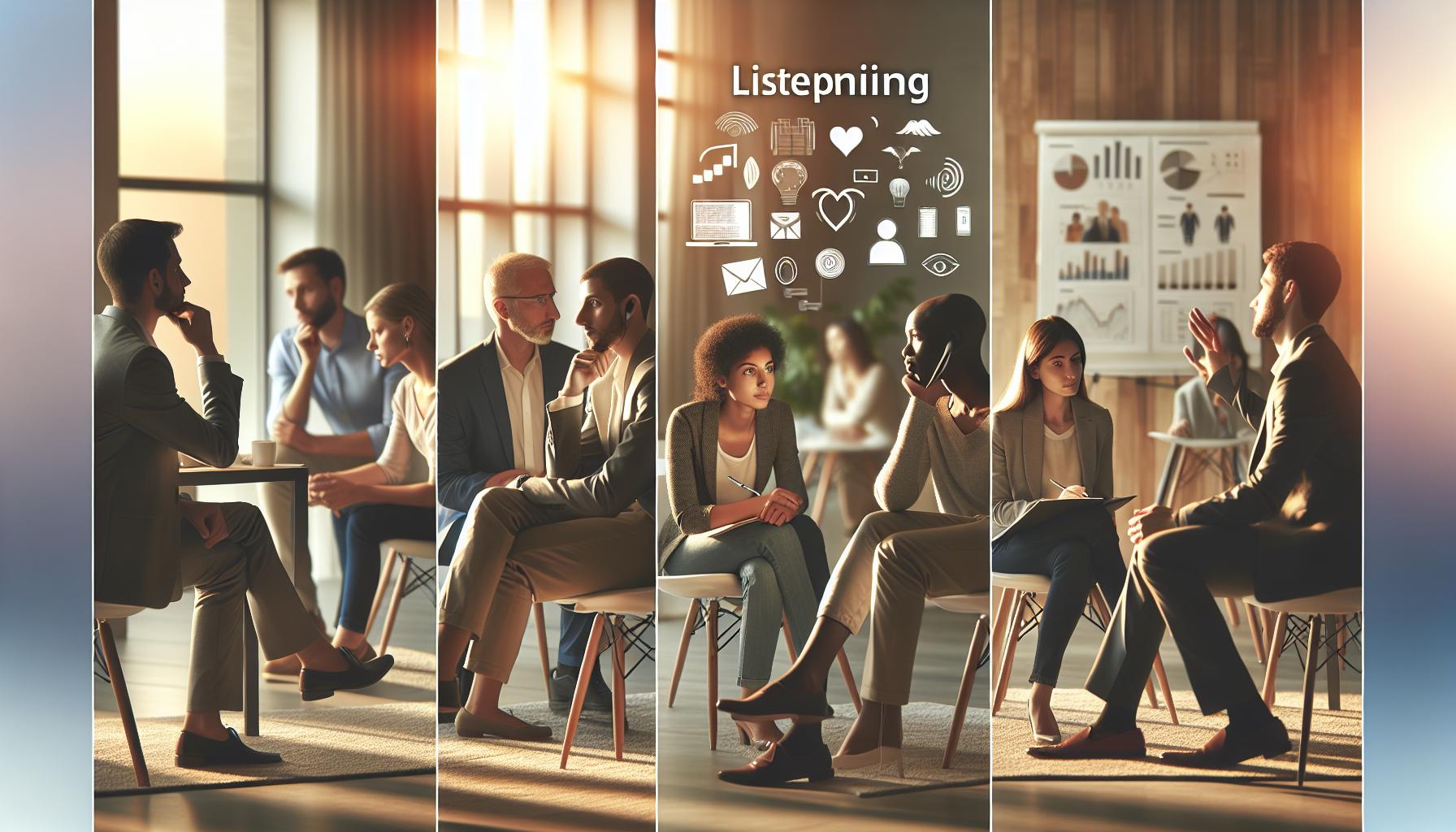
Methods for Assessing Speaking Competencies
Effective speaking is not just about clarity; it encompasses a range of competencies that together create impactful communication. To accurately assess these speaking skills, a combination of direct observation and structured exercises is essential. One method is through structured speaking assessments, where learners are given specific prompts or scenarios to respond to. For example, using a debate format allows evaluators to gauge not only the student’s content knowledge but also their ability to articulate thoughts clearly, use persuasive language, and think critically under pressure.
Enhancing the assessment process can be achieved through peer assessments, where students evaluate each other’s speaking abilities during presentations. This method not only encourages active engagement but also fosters critical thinking and reflection on individual performance. It can be beneficial to provide students with a clear rubric highlighting key competencies such as articulation, fluency, and use of appropriate language. Engaging peers in this way empowers students to take ownership of their learning while reducing the anxiety often associated with formal evaluations.
Incorporating technology can also play a transformative role in assessing speaking competencies. Tools like video recordings allow learners to review their performances regarding body language, tone, and pacing. Furthermore, software platforms can facilitate quizzes and activities that encourage speaking practice and provide immediate feedback. With guided feedback sessions following these recordings, learners can pinpoint areas for improvement and observe their progress over time.
Additionally, creating realistic assessment scenarios is essential to evaluate speaking skills effectively. Such scenarios could include role-playing business negotiations or public speaking engagements, crafting a realistic environment that encourages critical thinking and adaptability. By diversifying assessment methods to include both verbal and situational challenges, learners are more likely to feel prepared and confident in their speaking abilities, ultimately leading to better developmental outcomes.
Creating Realistic Assessment Scenarios
Creating effective assessment scenarios is pivotal for accurately gauging listening and speaking skills. These scenarios should immerse learners in realistic situations where they can apply their skills in a supportive environment. For instance, a mock interview can be a valuable tool to assess both listening comprehension and speaking fluency. In this setup, learners can engage in a simulated interview where they must actively listen to questions and respond accordingly, showcasing their ability to articulate thoughts and maintain an engaging dialogue.
Additionally, incorporating role-playing exercises can enhance the realism of assessments. Consider a scenario where students must negotiate a deal or resolve a conflict. This requires them to listen carefully to different viewpoints and construct their arguments effectively. Such practical experiences foster essential skills like empathy and negotiation, as participants learn to adapt their communication styles based on the dynamics of the conversation. Furthermore, these scenarios can be tailored to specific contexts relevant to learners’ lives or careers, increasing their motivation and investment in the process.
Utilizing technology can further enrich these assessments. Recording role-play sessions allows for constructive self-reflection. Students can later review their performances, focusing on both their verbal responses and non-verbal cues, such as body language and expression. Providing guided feedback, either through peer review or instructor evaluation, can enhance the learning experience. Feedback should focus on practical suggestions for improvement, encouraging learners to build on their strengths while addressing areas for growth.
To make these assessment scenarios more effective, it’s beneficial to establish clear expectations and criteria beforehand. This could be achieved through shared rubrics that outline the key competencies being evaluated, such as clarity of expression, active listening, and adaptability in conversation. By communicating these standards, learners can better prepare and understand what is expected of them, ultimately leading to more profound skill development and increased confidence in their abilities.
Utilizing Rubrics for Objective Evaluation
Creating transparent and consistent evaluations for listening and speaking skills is vital for both learners and educators, and utilizing rubrics is an effective way to achieve this. Rubrics provide a clear framework that lays out specific criteria for evaluation, making the assessment process objective and measurable. This not only ensures fairness but also aids learners in understanding exactly what is required for success. By detailing aspects such as clarity of speech, active listening, and response coherence, you help learners focus their efforts on key competencies.
When designing rubrics, consider incorporating levels of proficiency that guide learners from basic to advanced skills. For example, a rubric could have categories ranging from “beginner” to “exemplary,” allowing students to identify where they currently stand and which areas need improvement. Grouping criteria into logical sections-such as content quality, delivery, and engagement-can make the rubric easier to navigate. Each level can include descriptors that provide specific examples of what constitutes performance at that level, which helps demystify the evaluation process.
In practice, you can implement rubrics during engaging activities, such as presentations or role-plays. After a performance, both learners and instructors can refer to the rubric to assess the outcomes. This collaborative approach not only enables students to self-evaluate but also fosters constructive conversations about strengths and areas for growth. Moreover, involving students in the rubric creation process can lead to deeper comprehension of expectations and increased buy-in.
Lastly, provide feedback alongside rubric scores to emphasize the learning journey. Highlight effective strategies used in their performances and offer concrete suggestions for enhancement. By framing feedback as a tool for development rather than merely an evaluation, you empower learners to take control of their skill progression. This supportive environment fuels motivation and encourages ongoing practice, essential for mastering the art of communication.
Incorporating Technology in Skill Assessments
Incorporating technology into the assessment of listening and speaking skills can transform the evaluation process, offering innovative ways to engage students and enhance their learning experiences. With the rise of digital tools, educators can leverage various applications and platforms to provide immediate feedback and foster reflective practices. For example, using video conferencing tools allows instructors to record speaking performances, enabling both student self-review and peer assessments, which are invaluable for developing critical listening and speaking competencies.
Utilizing software that transcribes spoken language can also support assessment accuracy. Programs like Otter.ai or Google Docs’ voice typing feature can provide transcripts of spoken assessments, making it easier for educators to evaluate language use, clarity, and structure. This not only diversifies the assessment but also helps students see their mistakes and successes in writing, encouraging self-correction and improvement. Additionally, incorporating online learning platforms that feature interactive listening quizzes can further engage students. These tools often provide immediate scores, allowing learners to assess their comprehension in real-time and access personalized resources based on their performance.
Consider integrating gamified assessment tools, such as Kahoot or Quizizz, which can make learning and assessment engaging. These platforms allow for the creation of quizzes that focus on listening comprehension and speaking practice. For instance, using a game format can motivate students to participate more actively, fostering a competitive yet collaborative environment that enhances their communication skills in a fun way.
Moreover, with the use of social media and educational apps, students can partake in discussions, upload speaking tasks, and receive feedback from both peers and instructors. Platforms like Flipgrid encourage learners to share short videos where they can practice their speaking skills while gaining insights from a class audience. This approach not only normalizes the use of technology in assessments but also builds a supportive community around skill development.
By embracing technology in skill assessments, educators not only create a dynamic learning environment but also equip students with the technological fluency essential for success in today’s world. The interactive and immediate nature of these assessments fosters greater engagement and motivation, encouraging students to take ownership of their learning journey.
Common Challenges in Listening and Speaking Evaluations
Evaluating listening and speaking skills presents numerous challenges for educators, ranging from subjective biases to the diverse needs of learners. One of the foremost hurdles is the inherent subjectivity in assessing oral performances. Educators may have differing interpretations of student proficiency, especially when relying on holistic evaluations. To combat this challenge, implementing clear and uniform rubrics can help ensure consistent grading across different assessors, allowing for a more objective evaluation process.
Another significant challenge is the need for an inclusive assessment framework that accommodates various learning styles and backgrounds. Students may struggle due to language barriers, anxiety, or differing educational experiences. Educators should consider using a variety of assessment methods-such as paired discussions, role-plays, and group projects-to provide all students with the opportunity to demonstrate their skills in a supportive environment. Establishing small, pressure-free peer review sessions can also help build confidence while exposing students to diverse speaking styles and perspectives.
Logistical issues such as time constraints can also impede effective evaluation. Traditional assessments often leave little room for in-depth feedback or practice, making it difficult for students to improve. To address this, consider the use of video recordings for assessments, allowing students to rehearse and refine their performances based on instructor feedback. This approach not only saves time during evaluations but also provides students with a tangible record of their progress, enabling self-reflection and deeper learning.
Lastly, educators must recognize that feedback is crucial for skill development yet can often be insufficient or vague. Providing specific, actionable feedback instead of generic comments can help students understand their strengths and areas for improvement. Encouraging a growth mindset among learners will further empower them to embrace challenges as opportunities for learning and growth, ultimately leading to more effective communication skills.
Enhancing Skills Through Feedback and Reflection
Providing constructive feedback and encouraging self-reflection are two of the most powerful tools in enhancing listening and speaking skills. When students receive specific, actionable insights on their performance, they gain a clear understanding of their strengths and areas for growth. For example, rather than simply noting that a student “struggles with speaking clearly,” a more detailed comment might highlight particular instances where they dropped syllables or rushed through phrases. This precise feedback not only demystifies performance evaluations but also serves as a roadmap for improvement.
Self-reflection plays a critical role in solidifying learning. After receiving feedback, students can engage in reflective practices by asking themselves guiding questions, such as: “What specific advice did I receive, and how can I apply it next time?” or “How did I feel while delivering my presentation, and how did that affect my performance?” This kind of deep reflection encourages students to take ownership of their learning process. Additionally, incorporating peer feedback can enrich this experience, as students often resonate more with observations shared by their classmates.
Structured Reflection Techniques
Integrating structured reflection activities into assessments can elevate student engagement and skill retention. Consider these effective techniques:
- Feedback Journals: Students maintain a journal where they document feedback received and their subsequent reflections and action plans.
- Video Review: Utilizing video recordings of speaking tasks enables students to critically analyze their performances, allowing them to recognize non-verbal cues and speech patterns.
- Peer Review Sessions: Regular practice in small groups fosters a collaborative environment where students can exchange feedback and learn from each other.
Through these techniques, students build not just their skills in speaking and listening but also their confidence. The journey of mastering communication skills is iterative; each evaluation, feedback session, and reflective exercise contributes to their overall development. By fostering a culture of constructive feedback and self-assessment, educators empower students to view challenges not as barriers, but as stepping stones toward effective communication.
Best Practices for Continuous Improvement
Continuous improvement in listening and speaking skills is achieved through a commitment to ongoing practice, feedback, and adaptation. One effective strategy is to establish regular practice sessions that incorporate varied speaking and listening scenarios. For instance, participating in group discussions, debates, or role-playing exercises can enhance conversational skills and adaptability. Engaging with diverse groups fosters a broader understanding of various perspectives, promoting flexibility and responsiveness in communication.
Encouraging goal-setting can also drive personal growth. Educators and individuals alike can create specific, measurable objectives focused on critical areas such as articulation, active listening, and vocabulary usage. For example, a student might aim to use three new vocabulary words in a conversational context each week or focus on summarizing a podcast episode to improve listening comprehension. Tracking progress against these goals not only reinforces learning but also builds a sense of accomplishment and motivation.
Building a Community for Feedback and Growth
Creating a supportive community further accelerates improvement. This can be achieved through peer learning partnerships, where students provide each other with constructive feedback in a safe environment. Techniques like role reversal, where students alternate between speaker and listener roles, enhance their understanding of both positions. Additionally, utilizing discussion forums or study groups allows for sharing insights and exploring different communication styles, making the learning process more engaging and interactive.
Finally, integrating technology into practice routines can offer new dimensions to skill development. Leveraging apps that provide speech analysis or listening comprehension exercises can make practice more enjoyable and tailored. For example, using a speech recognition tool to receive instant feedback on pronunciation encourages self-monitoring and facilitates improvement in real-time. By constantly adapting approaches and remaining open to new methods, individuals set themselves on a path of endless growth in their communication journey.
Resources for Further Development in Assessments
Identifying and utilizing diverse resources can significantly enhance the evaluation of listening and speaking skills. One fundamental approach is engaging with contemporary educational platforms and tools that offer specialized materials for skill assessments. For example, online courses focusing on communication skills typically include modules on listening comprehension and effective speaking techniques. These platforms often provide quizzes and interactive scenarios that mimic real-life situations, fostering practical application.
Incorporating various assessment tools is also advantageous for structuring evaluations. Consider implementing tools such as multimedia presentations or podcasts as assessment mediums. These methods not only assess speaking abilities but also enhance creativity and critical thinking. Utilizing peer review mechanisms, where students evaluate each other’s presentations or discussions, can promote a collaborative learning environment. Additionally, creating a library of sample assessments and evaluation rubrics allows educators and evaluators to standardize the assessment process while keeping it adaptable to individual needs.
Here are some supportive methodologies for continuous improvement:
- Workshops and Training Sessions: Hosting workshops that emphasize the importance of active listening and articulate speaking can provide valuable hands-on learning experiences.
- Feedback Mechanisms: Establishing consistent feedback loops encourages learners to reflect on their performance and motivates them to improve.
- Technology Integration: Using apps dedicated to speech analysis can offer insights into areas such as pronunciation and fluency, making assessments more comprehensive and easier to understand.
Finally, attending conferences or webinars related to communication skills can expose educators and learners to the latest trends and research in skill assessment. Engaging with professionals in the field can open discussions on best practices and innovative assessment strategies, ensuring a well-rounded approach to improving listening and speaking competencies.
Faq
Q: What are the key benefits of assessing listening and speaking skills?
A: Assessing listening and speaking skills enhances communication proficiency, boosts confidence, and identifies areas for improvement. It provides structured insights into an individual’s verbal abilities, enabling targeted development. This foundational assessment supports both academic and professional growth by fostering effective interpersonal interactions.
Q: How can I create effective listening assessments?
A: Effective listening assessments can be created by incorporating real-life scenarios, using varied audio materials, and developing comprehension questions. Engage students with interactive formats, like discussions or group activities, to evaluate understanding. Leveraging technology, such as listening apps, can also enhance engagement and accuracy in assessment.
Q: What techniques help improve speaking competencies in assessments?
A: Techniques to improve speaking competencies include role-playing exercises, structured debates, and presentations. Providing clear rubrics and feedback helps learners understand expectations. Regular practice in low-pressure environments eases anxiety and boosts performance, making the assessment process more effective.
Q: When should assessments of listening and speaking skills be conducted?
A: Assessments of listening and speaking skills should be conducted regularly throughout the learning process, ideally after key instructional phases. Formative assessments during lessons offer immediate feedback, while summative assessments at the end of units measure overall progress and proficiency.
Q: Why is feedback important in listening and speaking assessments?
A: Feedback is crucial as it provides learners with specific insights into their performance, highlighting strengths and areas needing improvement. Constructive feedback fosters a growth mindset, encourages self-reflection, and motivates learners to refine their skills, ultimately enhancing their communication abilities.
Q: How can technology enhance listening and speaking assessments?
A: Technology can enhance assessments by providing interactive tools like speech recognition software, online platforms for language practice, or recorded assessments for playback. These resources make evaluations more engaging and can provide instant feedback, enabling learners to track their progress effectively.
Q: What common challenges are faced during listening and speaking assessments?
A: Common challenges include varying proficiency levels among learners, managing anxiety during speaking tasks, and ensuring fair evaluations. Addressing these issues involves creating a supportive environment, using clear assessment criteria, and providing ample practice opportunities to build confidence.
Q: What resources are available for enhancing listening and speaking assessments?
A: Numerous resources exist, including online courses focused on assessment strategies, instructional videos, and educational apps. Additionally, referencing expert literature on assessment design can provide valuable insights. For practical implementation, consider incorporating guidelines from workshops or professional development sessions on assessment techniques.
The Conclusion
Thank you for exploring our “Assessment of Listening and Speaking Skills: Comprehensive Evaluation Guide.” As you embark on this journey to enhance your communication abilities, remember that practice is key-each step you take builds your confidence and skill. We invite you to explore our related articles on effective listening techniques and speaking strategies to further enrich your understanding and application of these crucial skills.
Don’t miss out on the opportunity to subscribe to our newsletter for expert tips and insights delivered straight to your inbox, ensuring you’re always equipped with the latest resources. Whether you’re a parent supporting your child’s development or a professional seeking to boost your career, you’re not alone in this journey. Join the conversation in the comments below or share this guide with others who can benefit. Your growth starts now-take action today!
Get our latest guides, news, and insights highlighted in your Google Search & AI Overviews.